About CNC Plasma Machines
CNC Plasma Machines is a Durban team focused on giving sound CNC plasma equipment a proper second working life. We sell pre-owned, ex-demo and refurbished machines, handle trade-ins, move equipment between workshops, and keep useful parts in circulation from machines we break.
Work that starts with the machine itself
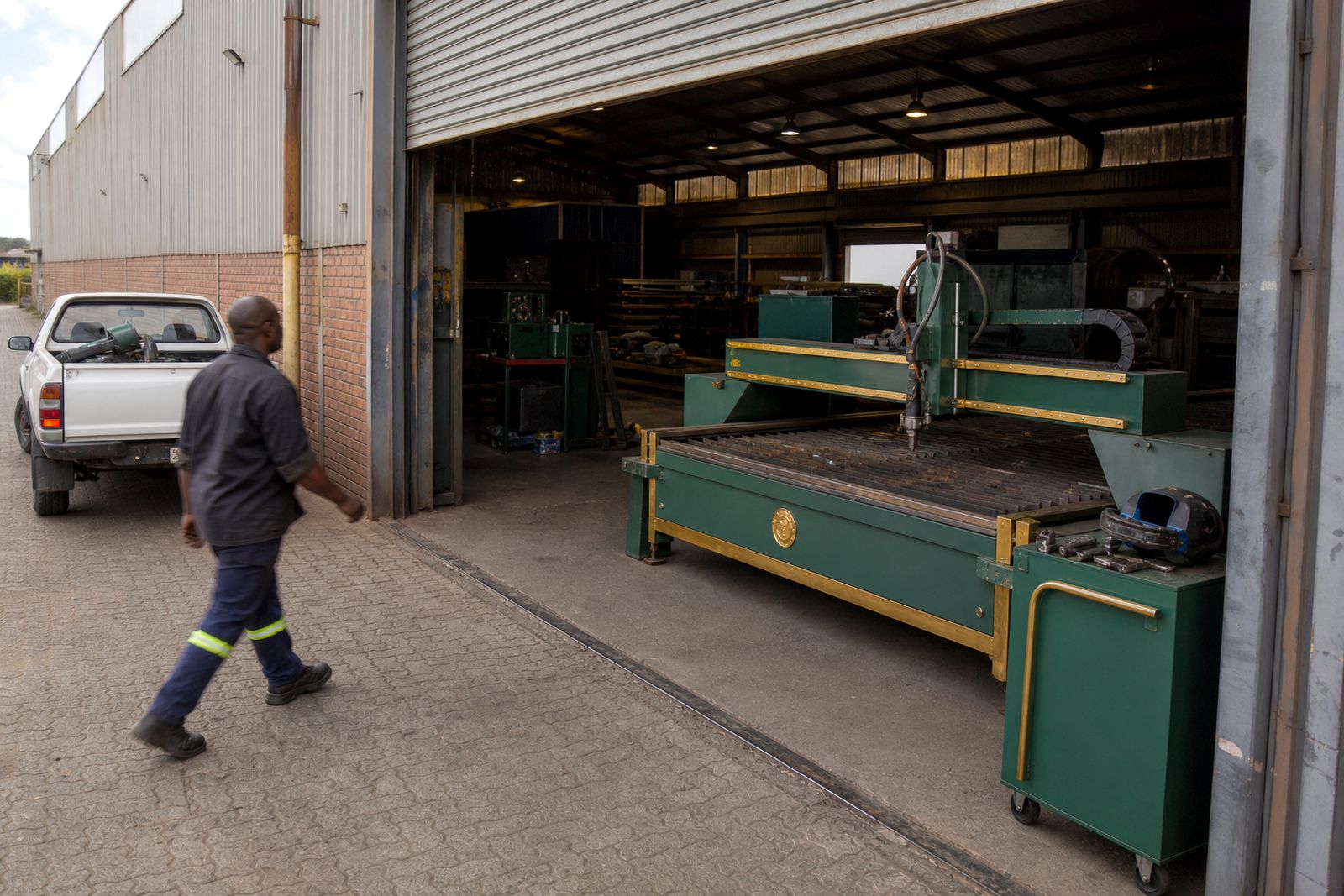
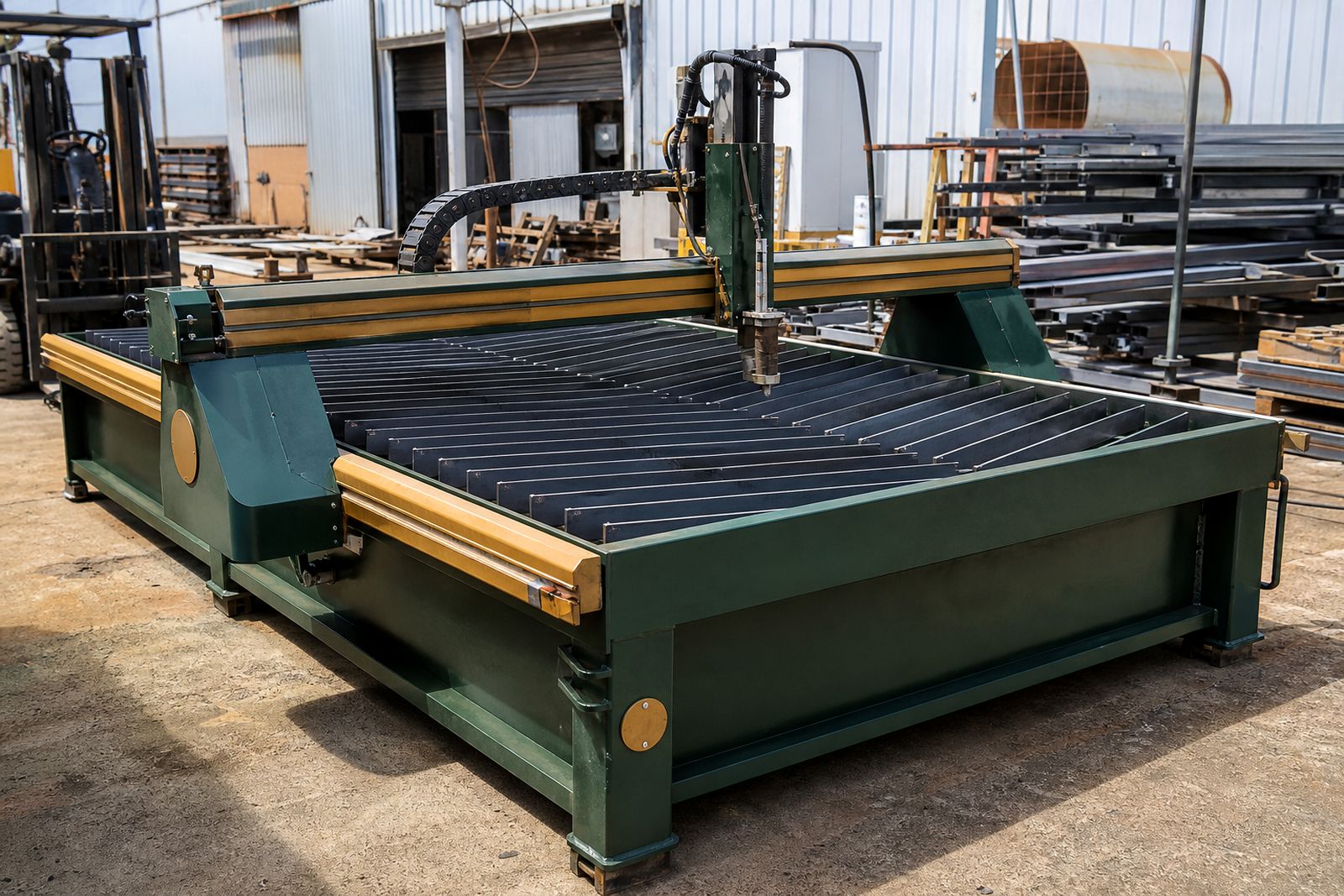
Our work begins with the condition of the table, gantry, drive system, control hardware and power source, not with glossy claims. A machine only goes forward for sale if it suits the category honestly, whether that is pre-owned, ex-demo, refurbished or sold as seen. We look at cut area, rail wear, torch height control, cable routing, slat condition and the general state of the frame before deciding how it should be listed.
Each machine is presented for what it is, with an inspection report, a test-cut sample and a warranty where that applies. Some buyers need a machine ready for production after installation, while others want a lower entry price and are happy to take on cosmetic wear or smaller remedial jobs in their own workshop. We handle both, but we keep the description plain so there is no guesswork later.
- Pre-owned CNC plasma machines from working shops or workshop clear-outs
- Ex-demo machines with low running time and known service history
- Refurbished units where worn items have been dealt with before sale
- Used spares recovered from machines we break for parts
- Trade-ins against another used machine where the figures make sense
The workshops and fabricators we deal with
The clients we work with are usually fabrication shops, maintenance teams, light manufacturers, steel merchants with cutting capacity, agricultural repair workshops and general engineering businesses. Some already run plasma equipment and want to replace an older table without stretching to a new machine. Others are bringing cutting in-house after years of outsourcing profiles and parts.
In Durban and along the KwaZulu-Natal coast, machine condition is often shaped by humidity, salt in the air and long periods of standing. Inland, the issues can be different: dust, neglected rails, poor storage or a power source that has not been matched well to the table. That local context matters when we inspect a machine and when we talk through relocation from Pinetown, Pietermaritzburg, Richards Bay, Newcastle or further afield.
We also deal with buyers elsewhere in South Africa who need a used machine moved, checked and put back into service at another site. A workshop manager in one province may need a machine removed from a closing branch in another province, and that is the sort of practical job we are set up to handle.
How the team handles a machine
Jobs move through the hands of people with clear roles. The inspection lead checks mechanical condition and records what the machine needs. The service technician works through fitment, adjustment and fault tracing. The operator runs test cuts so the machine is judged on actual cutting performance. The logistics side arranges loading, transport coordination, site access and recommissioning requirements.
That division of work helps keep decisions grounded. If a table is square but the slats are tired, we say so. If a control system works but has dated hardware, we note that too. Small details matter on used equipment and skipping them only causes trouble later, so the team works through the machine step by step.
- Inspection before listing or taking a trade-in
- Clear allocation to pre-owned, ex-demo, refurbished or sold-as-seen stock
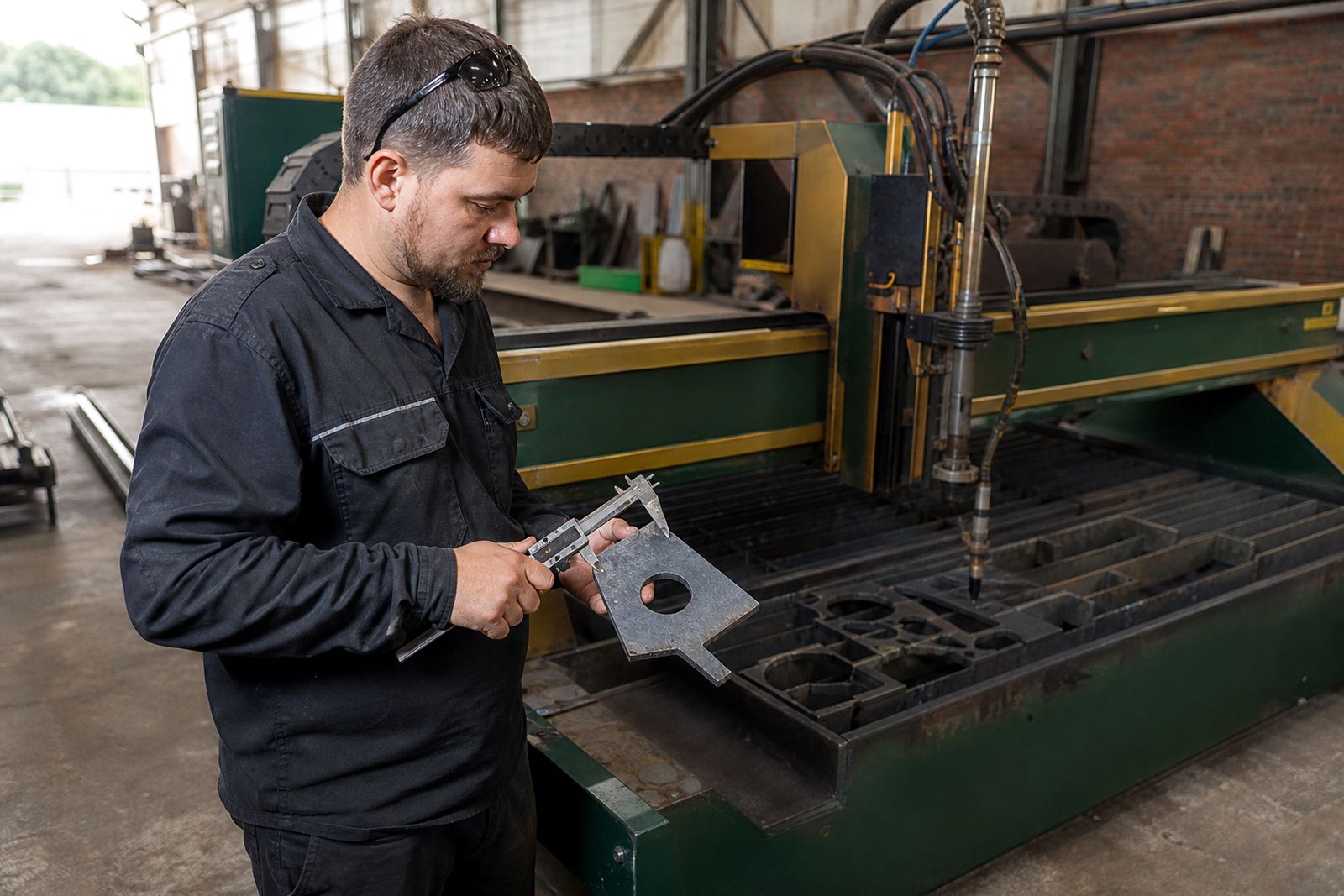
- Test cutting to confirm usable output
- Preparation for collection, delivery or long-distance relocation
- Support after installation when setup, alignment or recommissioning questions arise
Our Durban premises and stock flow
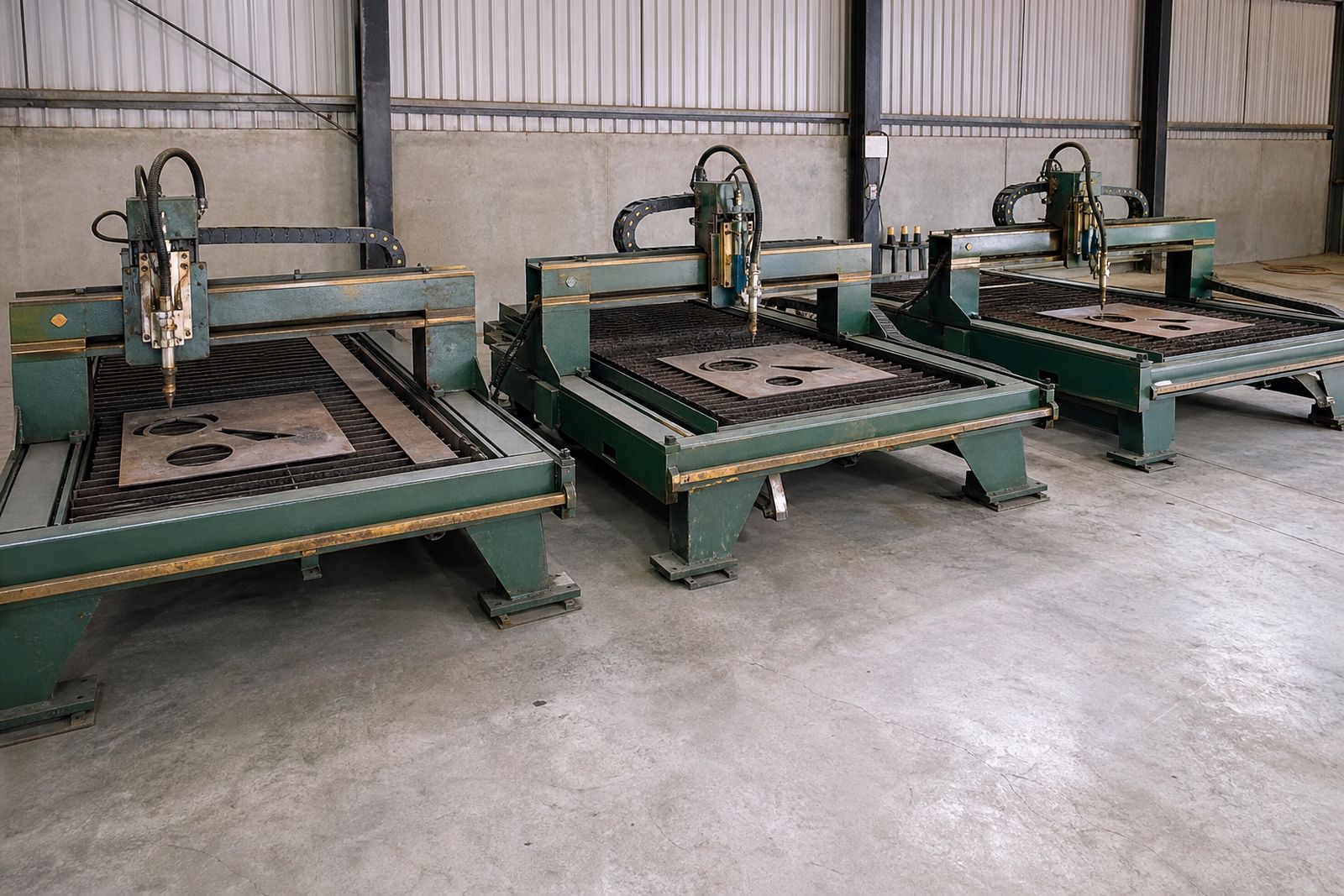
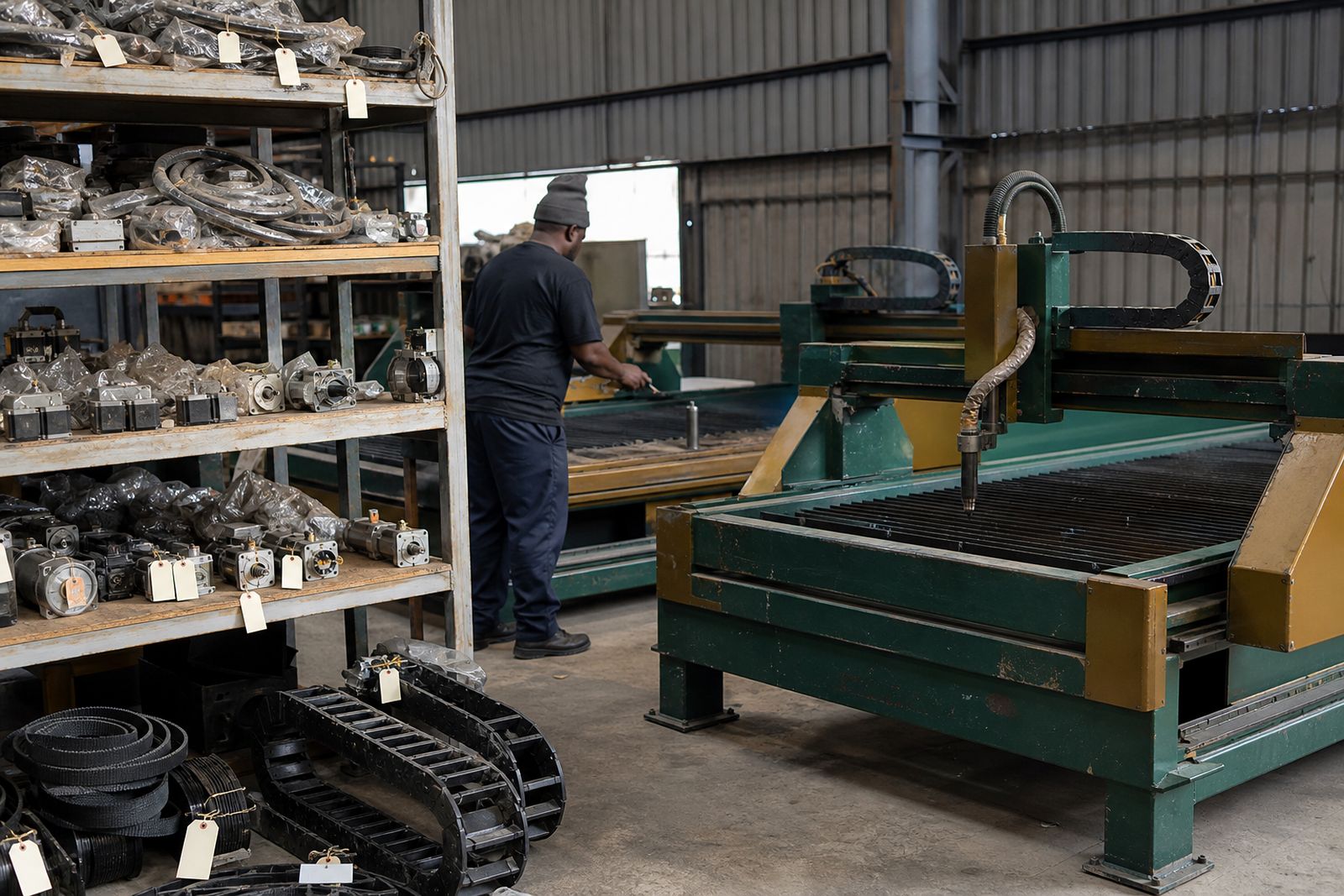
Our base in Durban is set up around used machinery rather than showroom polish. Machines arrive from working shops, auction clearances, upgrades and trade-ins. Some stay complete and go through inspection for resale. Others are stripped because the frame has reached the end of the road while motors, drives, controls, lead screws, gearboxes or cable tracks still have value for another table.
That stock flow is useful for buyers. A workshop looking for a full machine can compare categories properly, and a workshop trying to keep an older table going may find a used replacement part that saves a long stoppage. It also means we see a wide range of wear patterns in real South African conditions, from neglected slat beds and damaged rails to machines that are mechanically sound but no longer suited to the previous owner's work.
From first enquiry to installation
Most jobs start when a buyer tells us the plate sizes, thickness range, floor space and loading access at their workshop. If there is an existing table on site, we also need to know whether it is staying, being traded in or being removed. Those details shape the discussion far more than broad wish lists.
After that, we match the enquiry to available stock or discuss relocation work if the client already owns the machine. The inspection report and test-cut sample help narrow the decision. Once the machine is allocated, we plan lifting, transport, offloading and positioning, then move on to recommissioning where needed. On arrival, the practical checks matter: level, travel, cable condition, torch movement, software handover and a fresh test cut once the table is settled.
Buyers who want to start the process can use our contact form and give the key site details in one go. That makes it easier to judge whether a machine can fit through a doorway, whether a forklift will be enough, or whether a crane booking is needed.
Aftercare that suits used equipment
Used machinery needs realistic aftercare. That means advice tied to the actual condition of the machine, access to spares where available, and help with the practical side of keeping the table running in a production environment. We do not sell new consumables lines, and we do not pretend every older machine should be restored indefinitely. Sometimes the right answer is a repair, sometimes a part replacement, and sometimes a move into another stock category.
We keep the aftercare side grounded in what the machine can still do well. If a workshop needs guidance after installation, or needs a table moved to another branch later, we can step in on that basis. The point is to get sound equipment working usefully for longer, not to oversell tired iron. That's the line we keep to on every job.
Questions we get asked
Do you sell new CNC plasma machines?
CNC Plasma Machines deals with pre-owned, ex-demo and refurbished plasma machines, plus sold-as-seen stock, used spares, trade-ins and relocation work.
Can you move a machine from one workshop to another?
We relocate and recommission machines in Durban, across KwaZulu-Natal and to or from the rest of South Africa, depending on the job requirements and site access.
What do you include when selling a machine?
Machines are sold with an inspection report and a test-cut sample, with warranty cover where that applies to the stock category.
Also worth a look
Tell us about the job
Send sizes, materials and where you are through our contact form, and we will come back with the practical options.
Open the contact form