

Journal
Used CNC plasma machines, older cutting tables and workshop moves all need clear buying checks before money changes hands. Start with the stock types, relocation planning and the balance between repairs and replacement.
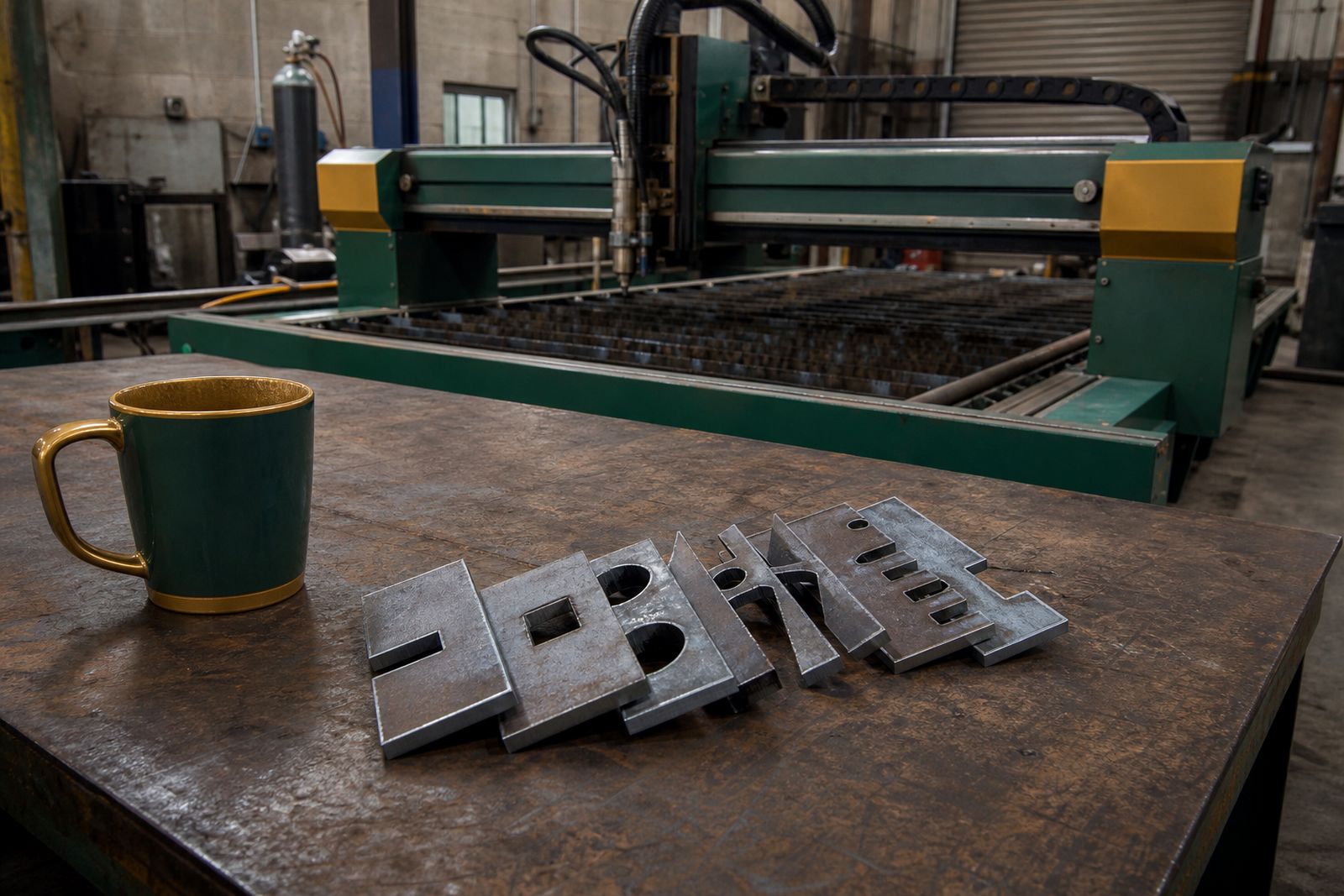
Used machines, workshop moves and local buying conditions
Workshops looking at pre-owned, ex-demo and refurbished CNC plasma equipment usually need clear information on table straightness, gantry wear, electrical condition, torch height behaviour, nesting software handover and whether an older machine will settle into a real production floor without surprises. Brochure features matter less than the checks that affect daily cutting, service work and reliability on the floor.
Our stock and work centre on Durban and KwaZulu-Natal, with machines also moved to and from other parts of South Africa. These notes keep local conditions in view, especially coastal air, workshop dust, transport access and the practical difference between a clean recommission and a rushed offload. The same applies to trade-ins and used spares from dismantled machines, because many shops need one sound fix alongside a full machine change option.
Where to start if you are comparing stock types
Not every used machine belongs in the same category. Some buyers need a machine that has already been checked, test cut and prepared for service. Others are comfortable taking on more risk in exchange for a lower purchase figure. Clear buying categories help separate those paths clearly.
- Pre-owned machines suit buyers who want current stock options in one place and want to compare table size, power requirements and condition notes.
- Ex-demo machines are often the nearest thing to light-use stock, with fewer hours than a machine that has spent years on a heavy fabrication floor.
- Refurbished machines are better suited to workshops that want worn items dealt with before delivery and want a cleaner starting point.
- Sold-as-seen machines are for buyers who can inspect carefully, assess repair work themselves and accept a shorter list of assurances.
If you are not sure which route fits your floor, read the buying notes first, then compare them with the inspection and warranty page. That usually narrows the field.
Used machine checks that matter more than paint
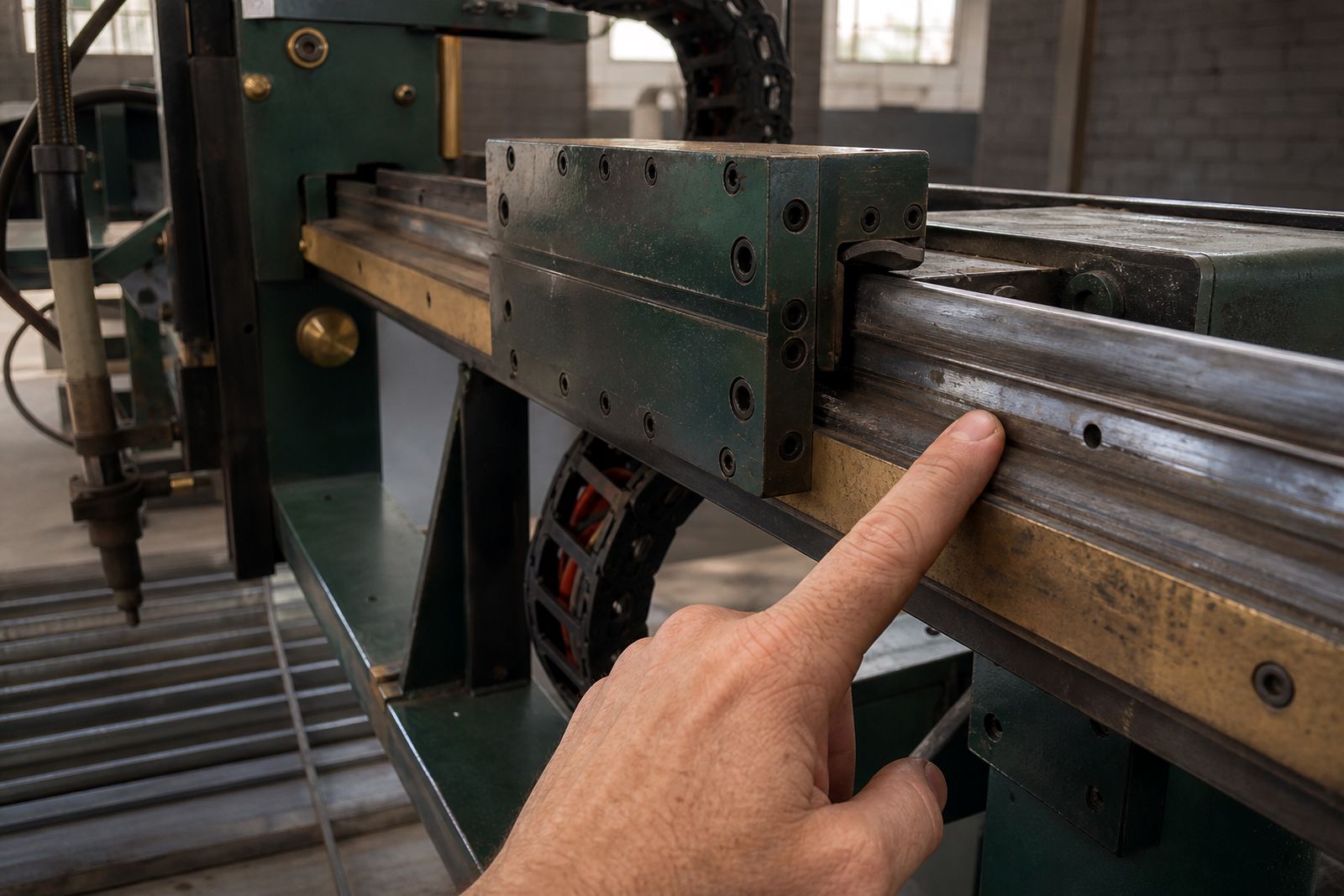
A tidy outer frame can distract from the parts that actually decide whether a machine will cut accurately next week. Older plasma tables need a close look at rails, rack wear, gear engagement, cable management, earthing, water tray condition where fitted and the state of the controller cabinet. We also pay attention to torch carriage movement and whether the bed still holds alignment over its full length.
- Ask for an inspection report so you can see what was checked and what wear remains.
- Look at a test-cut sample and watch the machine move on the floor under working conditions.
- Check whether the machine is being sold with warranty cover and what the scope of that cover is.
- Measure the table against the plate sizes you cut most often, not the largest sheet you handled once.
- Confirm loading access into your workshop, including doorway width, forklift clearance and floor condition.
These points sound ordinary, but they save a lot of trouble. A machine can look neat and still need rail work, switchgear attention or bed correction before it earns its keep.
Coastal rust, inland dust and older cutting beds
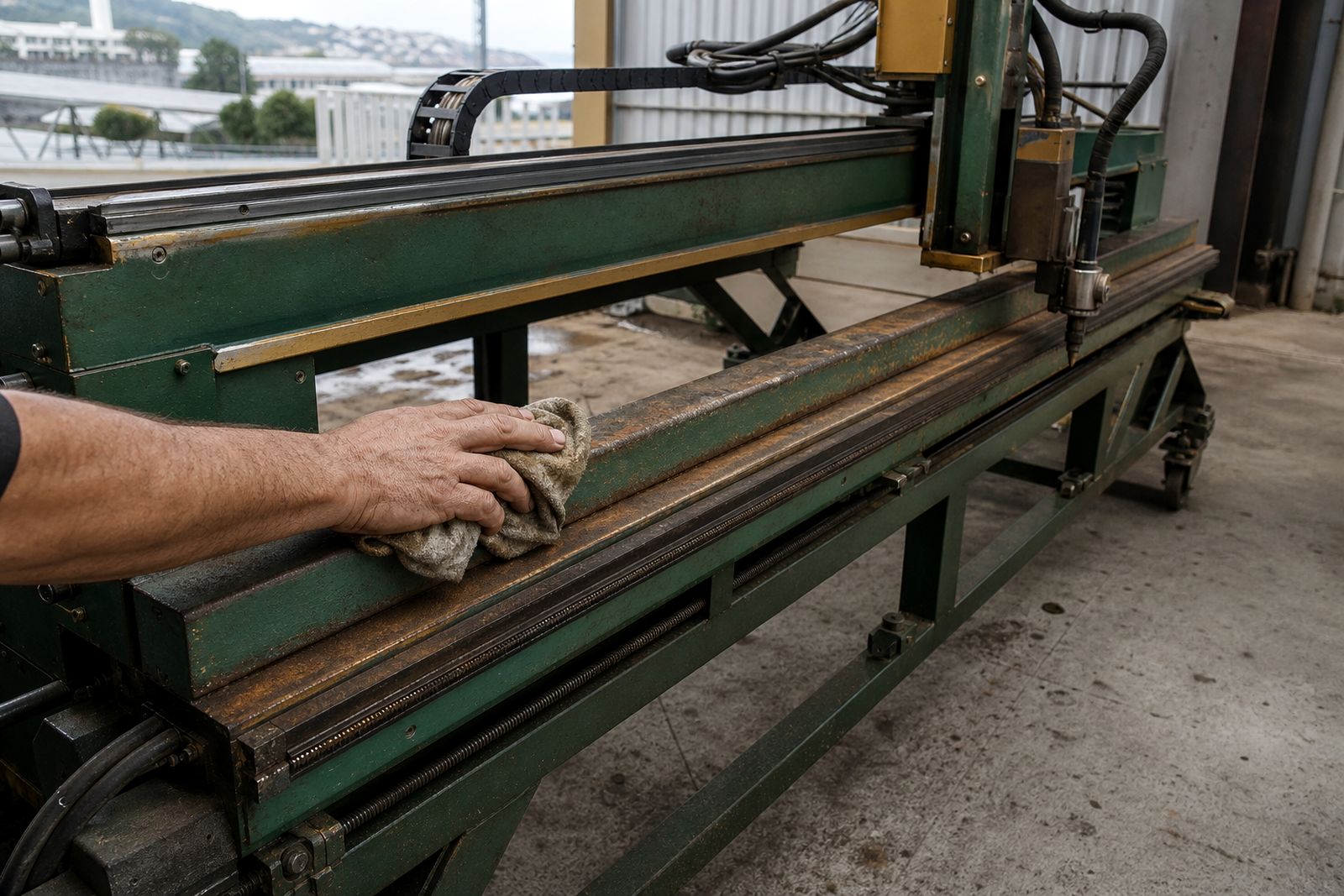
Durban conditions are hard on unprotected steel, fasteners and neglected trays. Salt in the air gets into places that inland buyers sometimes underestimate, especially on older tables that stood near open roller doors. Inland workshops often expose machines to heavier dust and drier debris, which can be just as rough on motion parts and cabinets if cleaning was poor.
That is why old tables and beds deserve their own attention. A cutting bed can remain usable for a long time, but bowed slats, corrosion around tray seams and impact damage from loading all affect daily work. Sometimes a buyer only needs a replacement table section or salvageable bed parts from a dismantled unit. In other cases, the better decision is to move to a complete machine with a straighter base and cleaner motion system. It depends on how much fabrication time you can spare for repairs and how critical cut repeatability is on your floor.
When a trade-in or used spare makes better sense
Not every workshop needs to stretch an ageing machine for one more season. If repair costs are stacking up, a trade-in can be a cleaner route, particularly where the frame still has value but the controls or motion parts are becoming a weekly headache. We also deal in spares recovered from machines we break, which can help keep an older setup going without spending on a full replacement.
- Trade-ins make sense when the existing machine still has recoverable value but no longer suits your production load.
- Used spares are useful where one failed component is stopping a workable machine from cutting.
- A full replacement is often better where bed distortion, electrical wear and motion issues are all present at once.
There is no single rule here, and some jobs need a bit of judgement, but the mix of condition, downtime and part availability usually points in the right direction.
Relocation notes before a machine leaves the floor
Moving a CNC plasma machine calls for proper stripping, road protection, safe unloading, setup, alignment checks and functional testing. Workshops in Pinetown, Pietermaritzburg, Richards Bay and Newcastle all bring different site conditions, and longer hauls across South Africa need even tighter planning around access, lifting and recommissioning steps.
Before a move, note the machine footprint in metres, the heaviest lift, available rigging space, power supply at the destination and whether the receiving floor is level enough for proper setup. If the old workshop had made small adjustments over time, those details need to be checked fresh at the new site. Proper relocation planning also helps you judge whether a machine is worth moving in the first place.
If you want us to look at a particular machine, stock item or relocation job, send the details through our contact form.
Explore the range
Questions we get asked
Does the journal cover only machines currently in stock?
The journal also covers buying checks, relocation points, older table condition, trade-ins and used spares from dismantled machines.
Is this section only for Durban workshops?
The notes are grounded in Durban and KwaZulu-Natal conditions, but they are relevant to buyers and workshop teams elsewhere in South Africa as well.
Can I ask about a specific machine after reading an article?
If an article raises questions about a listed machine, a trade-in or a move, send the details through our contact form.
Tell us about the job
Send sizes, materials and where you are through our contact form, and we will come back with the practical options.
Open the contact form