

Ex-demo machines
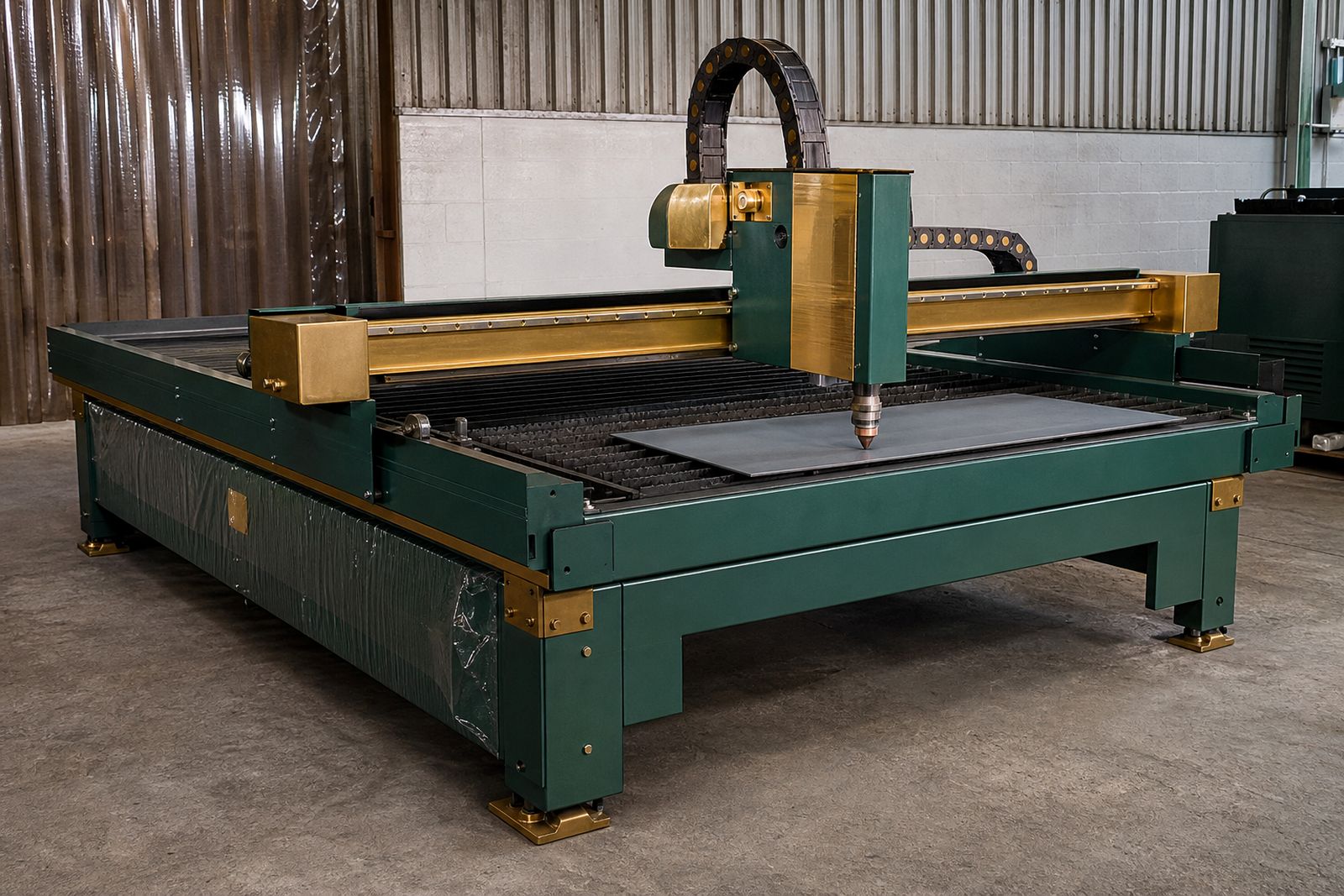
Our ex-demo machines are showroom and demo-day plasma tables with low running hours and a full warranty. Each one leaves Durban with an inspection report, a test-cut sample and a clear note on table size, condition and fitted options.
What counts as an ex-demo machine here
An ex-demo machine has usually spent its time in a showroom, at a demo area, or being used for short cutting trials to show motion, torch height control and cut quality. Hours tend to be low, wear is usually light, and the condition is easier to assess than many traded-in workshop machines.
Before listing one, we check frame straightness, gantry travel, drive movement, cable condition, controller functions and cut behaviour. We then sell it with an inspection report, a test-cut sample and warranty cover. If a machine has a cosmetic mark from moving or loading, we note it plainly so you know what is normal and what affects production.
- Low running hours compared with workshop production machines
- Commonly kept indoors in a showroom or demo space
- Sold with an inspection report and test-cut sample
- Warranty included with sale for working use
Table sizes, options and working limits
Ex-demo stock changes, so the exact bed on hand may differ from month to month. The most common table classes are compact units for light fabrication and mid-size tables for general steelwork. The practical limits that matter on the floor are usable cutting area, plate size handling, power requirement, and whether the machine suits daily work or occasional jobs.
Typical ex-demo sizes include 1 500 x 3 000 mm and 2 000 x 4 000 mm cutting tables, with some smaller beds for sign blanks, brackets and maintenance parts. A table can only cut accurately within its usable travel, so a nominal 1 500 x 3 000 mm machine is best treated as a 1 250 x 2 500 mm to 1 500 x 3 000 mm job platform depending on clamps, squaring and edge condition. Thick plate capacity depends on the fitted power source and torch setup, not the table frame alone.
- Compact tables suit lighter parts, repair work and smaller shops
- 1 500 x 3 000 mm beds suit many gate, bracket and base plate jobs
- 2 000 x 4 000 mm beds help where longer sheets arrive regularly
- Working limit is set by bed size, torch clearance and fitted power unit
- Optional items may include torch height control, extraction connection and water tray
Where an ex-demo machine fits best
These machines fit workshops that want a capable CNC plasma table without stepping into a higher spend on a new setup. They suit steel fabricators, plant maintenance teams, light production shops, trailer work, agricultural repair and general plate cutting where part repeatability matters but the budget still needs watching. In Durban and along the coast they also appeal to buyers who want a cleaner starting point than an older table that has sat near salt air for too long.
They suit many standard fabrication and maintenance jobs. Very large custom beds, heavily modified lines for special automation, and machines matched to a brand-new consumables programme usually call for a different route. Full production environments with very high plate throughput and the latest control package as a fixed requirement are also better served by a full production spec.
- Good for fabrication shops replacing manual profile cutting
- Good for buyers who want low hours and warranty cover
- Less suitable for highly specialised automated production cells
- Less suitable where oversized plate is a daily requirement
Site needs before delivery and commissioning
A plasma table works best when the floor is level, sheet handling has been thought through and the mains supply is stable for the installed cutting package. We check access before moving any machine, because door widths, forklift space and trailer offload points matter as much as the bed size on paper. If the machine is going upstairs or into a tight unit in Pinetown or central Durban, tell us that early so the move plan is realistic.
Most buyers need space for the table, the control stand, extraction or water management, plate loading and safe operator movement around the frame. Coastal humidity can be hard on neglected steelwork, so dry storage and regular cleaning around the rails really counts. A cramped corner install nearly always causes trouble later.
- Level floor with enough clearance on all sides
- Suitable mains power for the fitted system
- Access for offloading, skates, forklift or crane where required
- Dry indoor position away from routine overspray and grinding dust
- Room for loading full sheets and removing cut parts safely
Care after installation
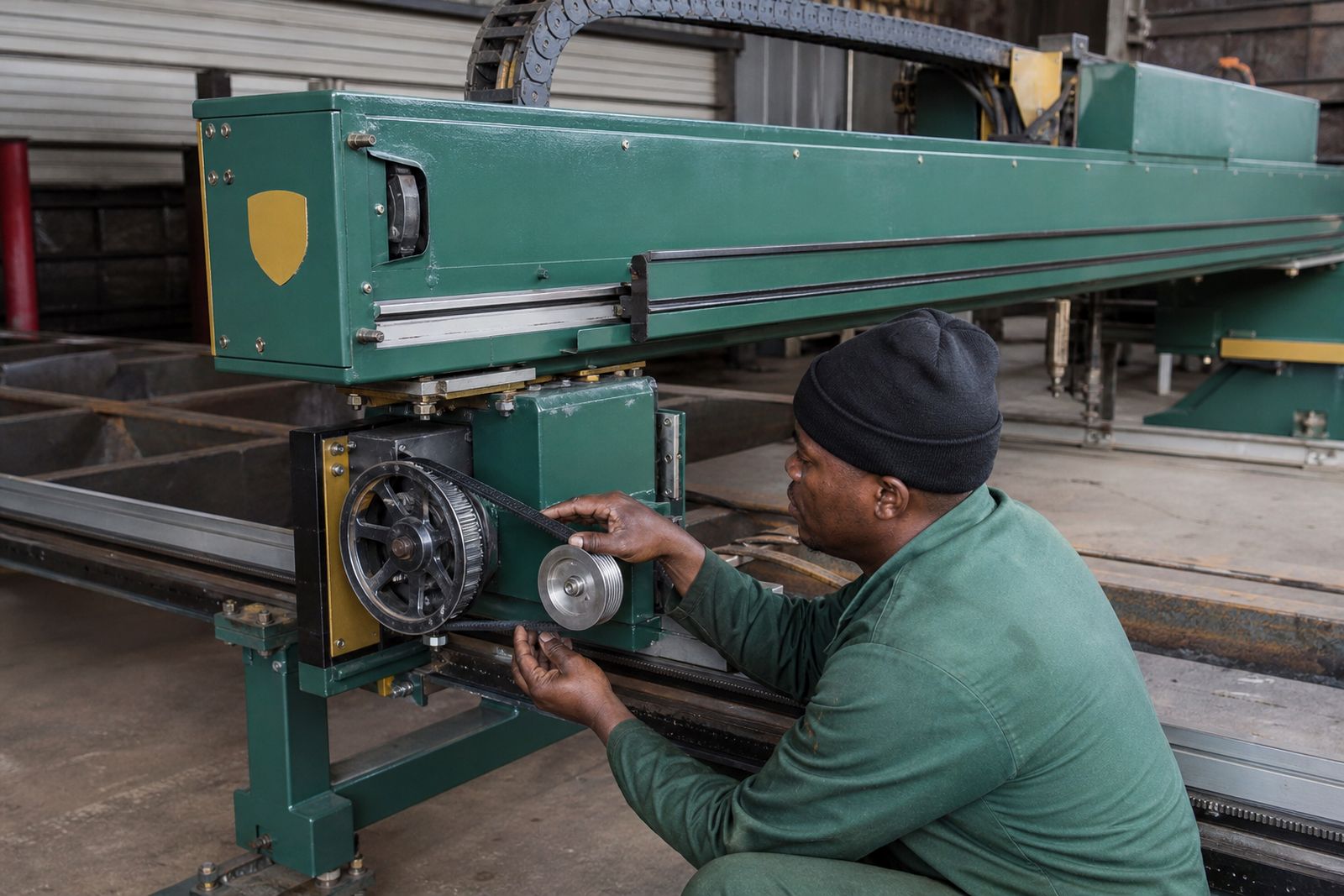
Ex-demo machines are low-hour units, but they still need normal shop care. Keep rails clean, wipe moisture off exposed steel, drain and clean the water tray if fitted, and do not let fine dross build up until slat removal becomes a half-day job. Small upkeep jobs done weekly usually prevent the expensive ones later.
If your workshop is near the coast, pay extra attention to surface rust on slats, frame areas and fasteners. Salt air gets into places that look dry. Check cable movement and earthing points, keep consumable settings matched to the fitted cutting package, and do a test cut when material type changes sharply from thin mild steel to thicker plate. It sounds obvious but many cut faults start with poor plate grounding or worn slats rather than a serious machine problem.
What to include when you send an enquiry
The better the brief, the easier it is to match you to the right ex-demo table. Tell us what sheet sizes you cut most often, the usual material thickness range, whether the machine will stay in Durban or be moved onward to Pietermaritzburg, Richards Bay, Newcastle or elsewhere in South Africa, and whether offloading equipment is available on site. If you already run a plasma table and want to trade it in, say what bed size it is and whether it is still cutting.
Please use our contact form and include the points below. That gives our team enough to guide you to a table that fits the work rather than just the floor space.
- Your town and whether the machine must be relocated after sale
- Preferred bed size in millimetres
- Usual plate size and maximum sheet weight
- Material type and thickness range
- Power available on site
- Access limits such as narrow doors, ramps or upstairs position
- Any trade-in machine details and present condition
What our Pre-owned Plasma Machine customers say
Verified Google reviews
Questions we get asked
Are ex-demo machines sold with proof of cutting condition?
Each machine is sold with an inspection report and a test-cut sample so you can see the condition and cutting result recorded before sale.
Can you move an ex-demo machine to another town?
We relocate and recommission machines in Durban, across KwaZulu-Natal and to other parts of South Africa where access and site details have been checked.
Do you take a current plasma table as a trade-in?
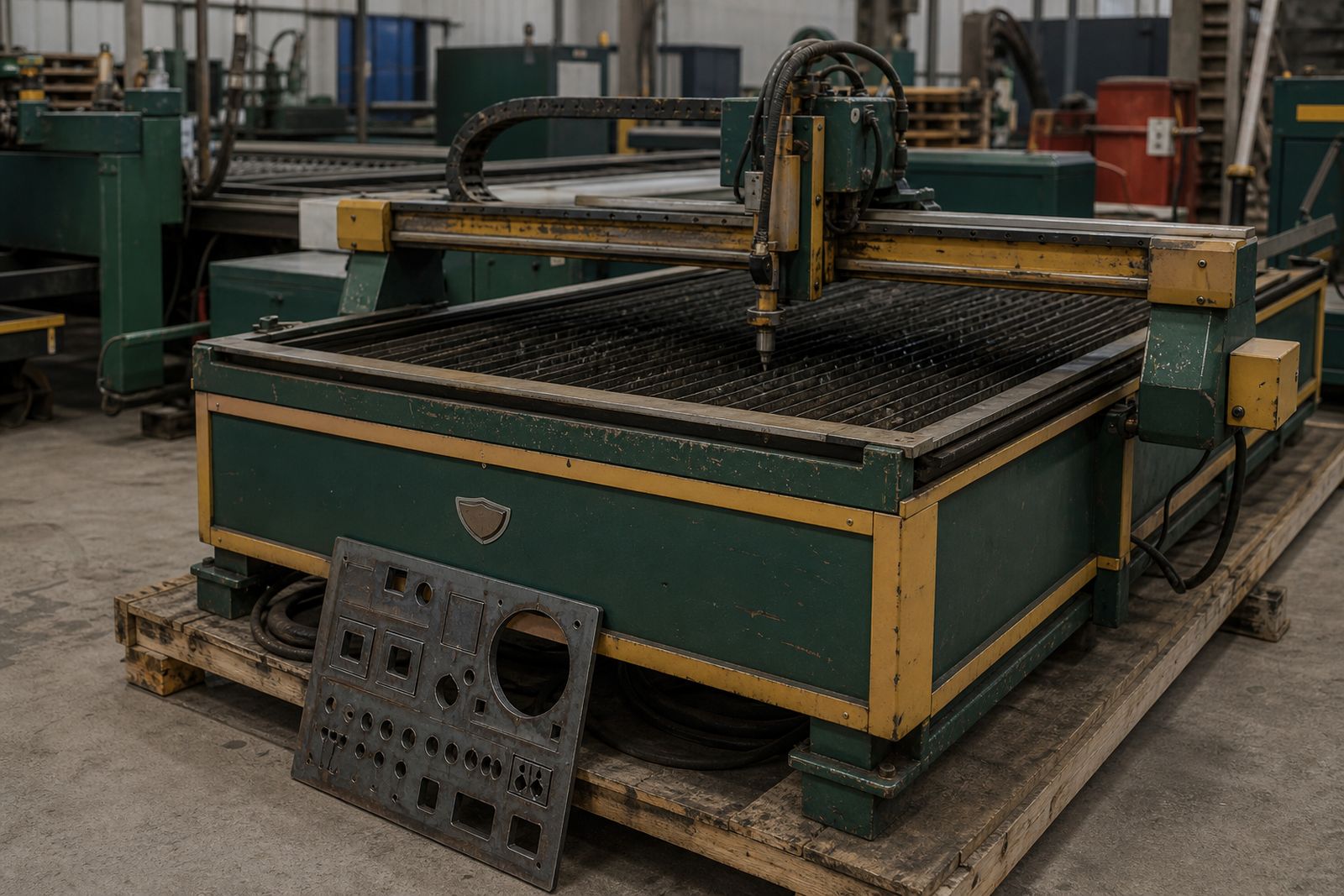
Send the bed size, present condition, controller status and a few clear photos through our contact form so we can assess whether it suits our trade-in stock.
Tell us about the job
Send sizes, materials and where you are through our contact form, and we will come back with the practical options.
Open the contact form